
The Future of Fresh Produce Trading


Ammar Alshami MSC CSE CME CFA PMP, M.Sc. Economics and Agribusiness - Jordan [email protected]

Technology has caused a disruption in the world. From the corporate sector to the automotive industry, and from the retail world to the agriculture sector, every industry in the world enjoys the benefits of innovative solutions. Technology is redefining luxury and helping people live a life full of conveniences. None of us thought we would be able to shop from the comfort of our homes, but here we are today, all thanks to eCommerce. Whether its grocery, clothing, accessories, or books, we can get everything online. Not to forget the smart home systems that can make our day-to-day chores simple and easy. Countless innovations are shaping our lives in ways that we did not even think were possible.
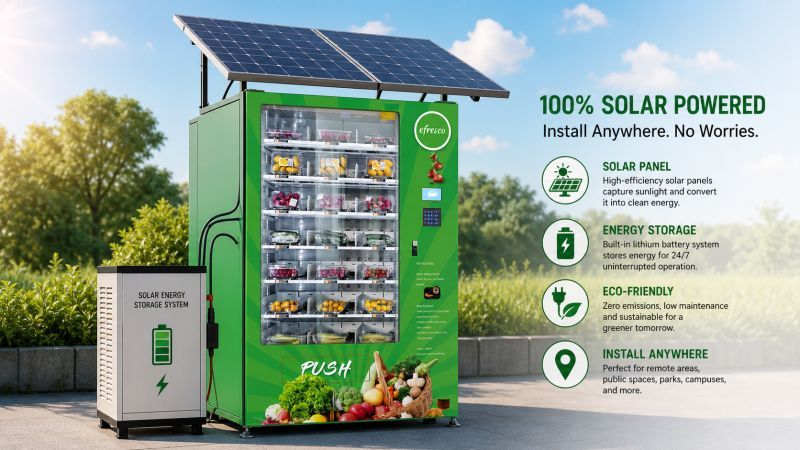
On one hand, where it is making the lives of people luxurious and stress free, it is helping business owners better manage the operations across their companies. Robotics, automation, project management tools, RDMS, cloud computing, and blockchain are some of the revolutionary technological tools that help businesses enhance employee performance, meet strict deadlines, boost productivity, and increase profitability. Even the fresh produce industry is significantly benefiting from these innovative tools. Technology has caused rapid development of this industry.
Impact of Technology on Fresh Produce Industries
Hi-tech grocery stores, rise of eCommerce, robotics, and blockchain technology have pushed the fresh produce industry into a technological revolution. The fresh produce trade is significantly benefiting from these technological advancements.
Blockchain has become a buzzword in the world today. It gained popularity as a record-keeping technology for cryptocurrency, but today it is used for a variety of different applications. It is a platform that allows recording and tracking of transactions in a permanent way that is fully verifiable. The distributed ledger is used throughout the supply chain, which ensures that from harvesting of crops to distribution, everything stays on the record.

One area of fresh produce trade that is benefiting from this distributed, decentralized, and public ledger is the supply chain. Every entity in the vegetable and fruit trading can benefit from this technology. There are a plethora of ways using blockchain can benefit people in fruit trading or vegetable growing business.
Provenance and Traceability
The consumers of today demand transparency and traceability. They want to be sure about what they are consuming by being able to trace its origin. With blockchain, fresh produce businesses can offer their customers exactly that. It allows them to provide the consumers with a stronger assurance of origin and chain-of-custody. The use of blockchain will enable businesses to satisfy their customers by offering them product traceability.
Traceability is one of the most important aspects for every fresh produce grower or retailer. Customer trust is built upon this factor. It is what the modern consumer demand today. The Blockchain system
allows businesses to record the entire journey from growth to distribution. It allows growers to identify items that are moving at a slow pace.
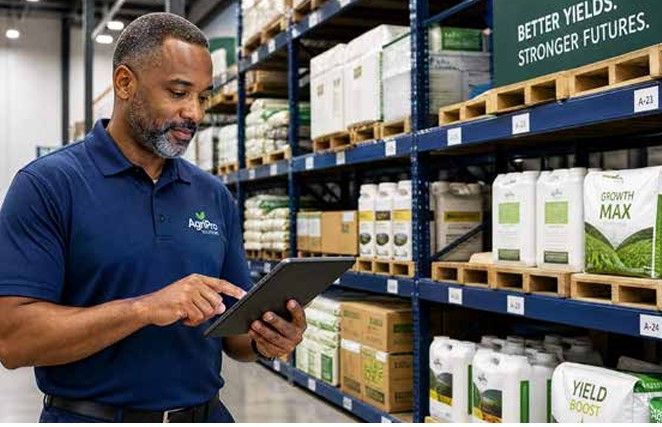
Suppliers can better manage the demand of their consumers. Overstocking and running out of stocks can both create havoc in a supplier’s business. It helps business optimally utilize the resources, reduce wastage, spoilage while enhancing customer satisfaction. There is a considerable improvement in the safety and quality of the products when blockchain technology is integrated into a fresh produce business.
The importers are concerned about the origin of the produce. Before they process the arrived shipment, they check certificates and authenticate the source or origin of the produce. By accessing blockchain software, they will know exactly where the origin is, and it helps them save time. The enhanced traceability in the trading sector can save both importers as well as exporters be a part of fraud-free fresh produce trading.
Efficient and Lower Recalls
Sometimes, fresh produce companies have to recall the entire batch from the market due to defects in the products. It becomes difficult to recall the entire batch, but with the integration of
blockchain technology, it gets easy to proceed with it. The use of this technology paves the way for faster and precise recalls.
Not only does it allow efficient recalling, but it minimizes the instances when a grower or retailer has to recall a batch. The use of blockchain enhances the quality of produce, which makes it less likely to distribute a bad batch to the customers.
Fresher Produce and Safety
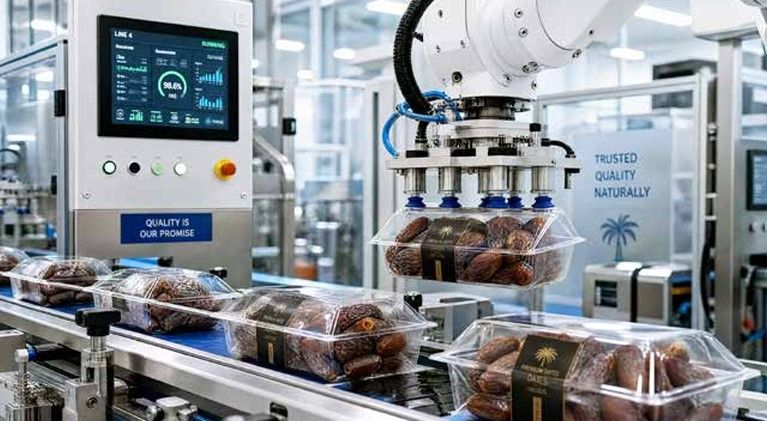
Implementation of this technology leads to fresher produce, top-quality crops, and reduced spoilage and wastage, and improved safety. These are some amazing ways blockchain can help the fresh produce industry’s supply chain. Entities operating in the fresh produce industry are always in search of tools that can help reduce the wastage and provide the consumers with perfectly safe products. There are several ways blockchain can ensure fresher produce while reducing the total wastage.
A blockchain feature that helps companies is through end-to-end temperature monitoring. It allows workers to track the temperature throughout the supply chain. It also helps in setting a precise expiration date of the product. Traditionally companies set an expiration date based on the average shelf-life and the harvest date. The temperature and exposure are the two factors that are generally not taken into account when setting an expiration date of the produce. However, with blockchain integration, accurate expiration dates can be set.
Suppliers can implement smart contracts when using blockchain technology, which ensures that a consumer receives only top-quality and freshest produce. A smart contract offers digital facilitation and verification. The suppliers can personalize the system as per their needs and requirements. A supplier can monitor the temperature and humidity at every point of the supply chain through sensors. A supplier can immediately detect if a smart contract has been broken through the use of sensors.
Trading of fresh produce is a daunting task, and the chances of the products being spoiled are high. When exporters send their shipment, every crate or pallet contains information such as the origin, from, who will pick it up from the port, and proof of quality. The shipment cannot be processed at the port until the ones importing the produce receive necessary certificates. Moreover, the officials have to check the shipment before it can be released from the port. The process can take longer, and in the majority of the cases is delayed for hours and even days. It can spoil the produce and result in a major loss for both entities.
Blockchain integration can solve these problems for fresh produce traders. It records transactions efficiently in a network with different nodes, giving both parties direct access to the essential information. It eliminates the manual handling of certificates, saving time as well as money. By programming smart contracts in the software of blockchain, manual checking of shipment is not required.
Security and Availability
Blockchain technology offers decentralization and embedded encryption, which makes it harder for external entities and third-parties to hack into the data. There is a large number of nodes that take care of the validation and storage of data.
Efficiency with Automation
The use of this technology provides automation through smart contracts. Some versions of these public ledgers offer functionality to automatically execute smart contracts after specific requirements or conditions are met. Incorporating smart contracts within the system offers complete transparency in the process of automation.
Better Tracking of Soft Claims
One of the major struggles in the fresh produce industry are soft claims, and these can serve as a form of irritation for both retailers as well as growers. Usually, there is no way that entities can keep track of this process. The retailers are in doubt that the growers are not offering good quality produce. The growers, on the other hand, are concerned about soft claim frauds as many retailers use soft claims to cover their inaccurate forecasting or inventory management. A blockchain system can eliminate all these soft claim problems. The system can track the number of rejected pallets and even generate notification regarding soft claims to the supplier.
Restricted Transparency
There are two types of blockchains, and these include public and permissioned. It is best for fresh produce retailers, growers, and distributors to opt for permissioned blockchain. The features it offers are business-friendly. Data can only be accessed by-invitation only, which does not allow full public transparency. The company can restrict the amount of transparency they want to offer to their customers.
The blockchain technology is tamper proof. Once the data has been written and stored, it cannot be altered. It increases the auditability. The authorities can ensure top quality of products and even detect issues in the supply chain through this technology. Moreover, it helps companies to be more attentive and alert about their processes.
It reduces the chances of fraud within the fresh produce trade. A blockchain software efficiently records every transaction; it makes it impossible for either party to make changes to the information. Any alterations made to the data are easily detected.
Payment Method
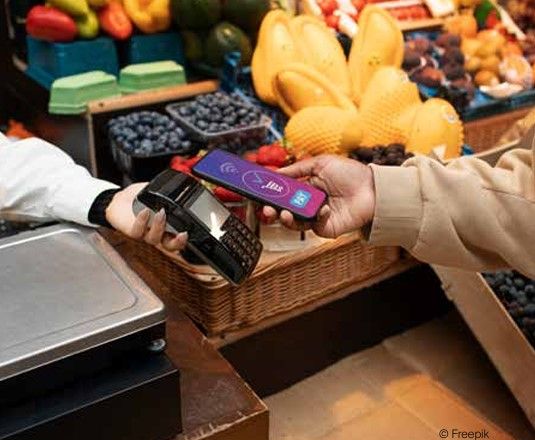
Another problem that importers and exporters have to face other than the risk of fraud is the payment method. With blockchain technology, the fresh produce traders can improve this area as well. It provides a single solution for the entire supply chain. The technology is gradually replacing Bank LC and traditional payments in fresh produce trading.
Direct, Digital Relationship with Interested Parties
Blockchains with smart contracts can change the game for fresh produce retailers, growers, and distributors. It allows businesses to establish a direct and digital relationship with the interested parties. It eliminates the need for a middle man as a smart contract to store all business agreement terms.
Not only does it contain these terms, but it also verifies and executes them. Some systems even allow businesses to remove the element of human communication, which minimizes the chances of errors. These systems provide this feature by letting companies make an event-based transaction automatically.
Smart Contracts in B2B Trade in Fresh Produce Industry
Blockchain technology, in the fresh produce sector, serves as a trust mechanism. The use of this technology eliminates the trusted central authority from the picture, making the process reliable. The most dominant feature of smart contracts is that centralizes B2B exchanges. Businesses can validate all transactions using a blockchain, based on contingent smart contracts. It is done when cryptocurrency is used as the payment mode. It assists businesses with all price-setting mechanisms. It creates a scenario where smart contracts are interacting with one another. It paves the way for optimization of the well-defined objective function under transactional terms and conditions that are pre defined in smart contracts. It boosts trust while making way for opportunism among the parties in the business.
There is no denying there; blockchain is making it easy to boost productivity, enhance quality, and satisfy customers in the fresh produce industry. The use of this technology addresses significant issues that the industry faces. These are traceability and transparency. Every business has to meet the requirements of modern consumers. These consumers are smart and tech-savvy, which helps them make smart decisions and ensure that they consume only top-quality products. A company that is able to meet these requirements of the consumers enjoys a competitive advantage in the market. Integrating the blockchain technology allows business owners to offer their consumers product traceability and supply chain transparency.
Whether it is a grower, picker, packer, distributor, exporter, or retailer, the implementation of blockchain can significantly benefit each party involved in the fruits and vegetable industry. It not only allows them to maximize their sales but also improves customer loyalty.